

What’s the Best Savings Account for Musicians?
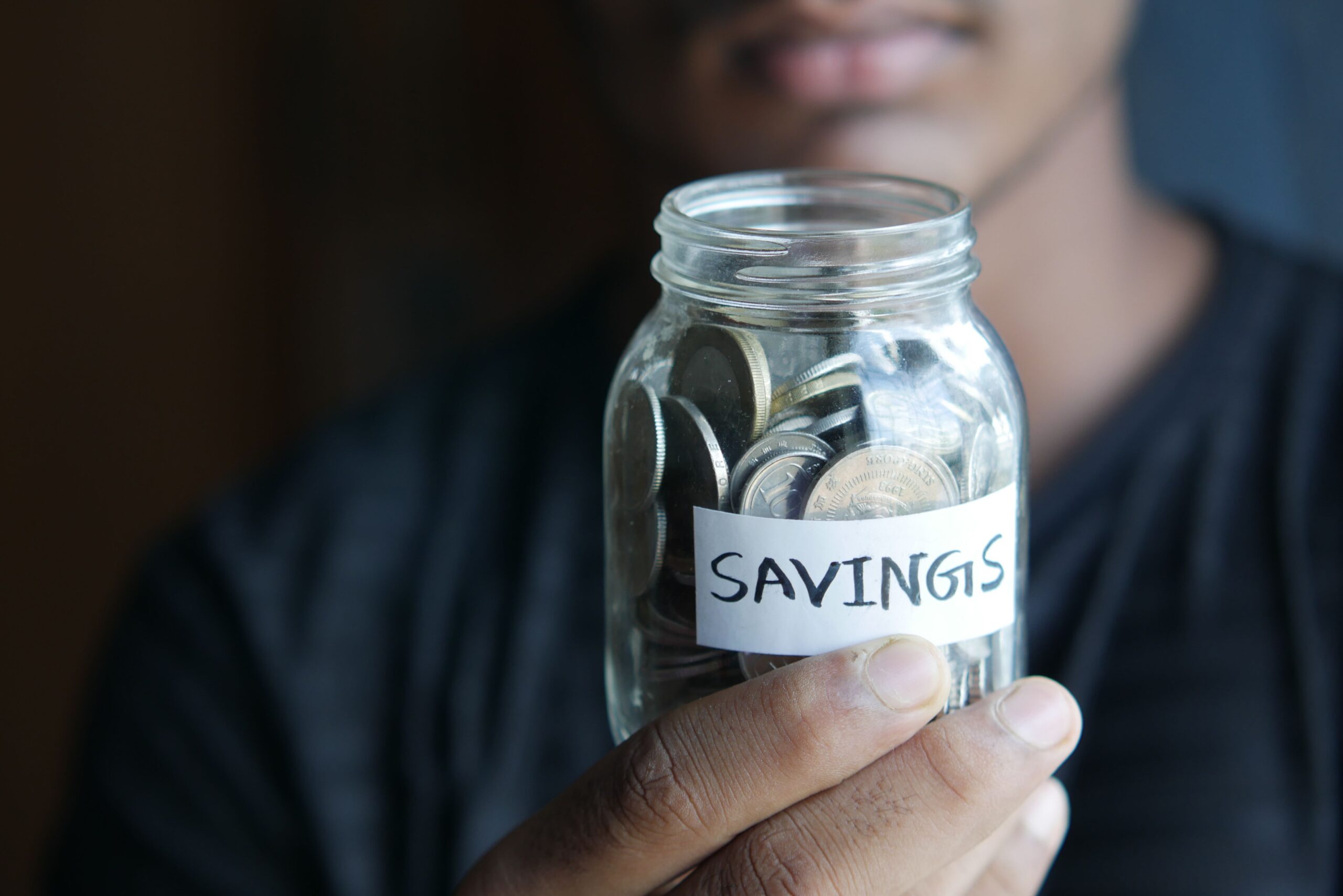
It’s one of the most common questions I get from musicians, and it usually comes right after a good run of shows. The money is in the account, the next run is months away, and you want to put some of it somewhere safe before life finds a way to spend it.
So what’s the best savings account for a musician? Here’s the honest answer: it isn’t one account. Musician income doesn’t arrive like a paycheck, so a single savings account set up the way a salaried employee would use it usually doesn’t hold up. What works is a simple system of a few accounts, each with one job.
Why a Regular Savings Habit Breaks Down for Musicians
Most savings advice assumes steady income. Save 10 percent of every paycheck, automate it, done. That works when the same amount lands every two weeks.
Your income comes in waves. A tour settles, a royalty statement arrives, a sync placement pays out, and then things go quiet for weeks or months. When everything sits in one account, the slow season quietly eats the good season, and a lot of musicians end up feeling like they’re always starting over even when they earned well that year.
The fix isn’t more discipline. It’s structure.
The Short Answer: Use Three Buckets
Instead of searching for one perfect account, give your money three separate homes:
- The tax bucket. If you’re self-employed or paid as a contractor, nobody is withholding taxes for you. Set a percentage of every payment aside the day it arrives. Many self-employed musicians land somewhere around 15 to 25 percent. Your real number depends on your write-offs, since business expenses like gear, travel, and recording costs can lower what you owe. Your CPA can help you find the right percentage for your situation.
- The slow-season fund. This is your emergency fund, sized for a music career. Instead of thinking in months of expenses, think about your longest realistic gap between paydays and build enough to cover it, plus a cushion for the surprise van repair or medical bill.
- The opportunity fund. Money set aside for the things that move your career forward: recording, gear, a tour that needs to be funded before the first ticket sells. Keeping this separate means a great opportunity never has to come out of your rent money.
What to Look For in a Savings Account
For the tax bucket and the slow-season fund, a high-yield savings account is usually the right tool. These are often offered by online banks and some credit unions, and they typically pay noticeably more than a standard savings account at a big bank. When you compare them, look for:
- No monthly fees and no minimum balance requirements, since your balance will rise and fall with your income
- A competitive interest rate, keeping in mind that savings rates can change at any time
- Fast, free transfers to and from your checking account
- The ability to open multiple accounts or labeled “buckets” so each dollar has a clear job, just make sure extra accounts don’t come with extra fees
Rates and terms change often, so compare current offers rather than relying on a list from last year.
Where a Savings Account Falls Short
A high-yield savings account is great at one thing: keeping money safe and available. It isn’t built to do much more than that. The interest is taxable, it rarely keeps pace over the long run, and the moment you use the money for something, it stops working for you.
That’s where many musicians start asking about their opportunity fund and their long-term money. One approach I work with musicians on is the Infinite Banking Concept, which uses a specially designed whole life policy to build cash value you can borrow against for things like a tour, an album, or new gear, while the full value of the policy continues to grow.
It isn’t a replacement for your slow-season fund, and it isn’t right for everyone. Cash value builds slowly in the first several years, it works best as a long-term commitment, and it should sit alongside an emergency fund, not instead of one. But for musicians who want their money to keep working while they use it, it’s worth understanding.
A Simple Way to Start
You don’t need a perfect plan to begin. Next time a payment lands:
- Move your tax percentage to the tax bucket first
- Send a set percentage to the slow-season fund until it covers your longest dry stretch
- Once that’s in place, start building the opportunity fund
Then repeat it with every check. The amounts matter less than the habit of giving every payment a job the day it arrives.
If you want to talk through what this could look like for your income and your goals, book a call with me and let’s chat.
Ready to make your money work the way your career does?
Get the free Musicians Guide and see how a band funded a 25-stop tour without a label advance.
Get the Free Guide See How It WorksThis article is for educational purposes only and isn’t tax, legal, or investment advice. Talk with a qualified professional about your specific situation.
Photo by Towfiqu barbhuiya
